Embracing God in the Quiet Places of Caregiving and Chronic Illness
Angela Boelzner Tuesday, September 22, 2026
Embracing God in the Quiet Places of Caregiving and Chronic Illness
Angela Boelzner
There are seasons of life when everything feels loud — the medical appointments, the therapies, the court dates, the pain flares, the exhaustion, the grief you don’t have time to process. For years, my life felt like one long stretch of survival. I was raising a child with Level 3 autism as a single parent, navigating domestic violence and contested court processes, recovering from an injury that cost me my job, blending families, and later learning to live with fibromyalgia after a car accident. I was homeschooling while managing chronic illness, trying to hold my home together while my body and heart felt like they were falling apart.
In those seasons, I didn’t feel strong. I didn’t feel brave. I didn’t feel like I was “embracing life” in any meaningful way. I felt like I was doing the next thing in front of me because that was all I could manage.
But God has a way of meeting us in the places we least expect.
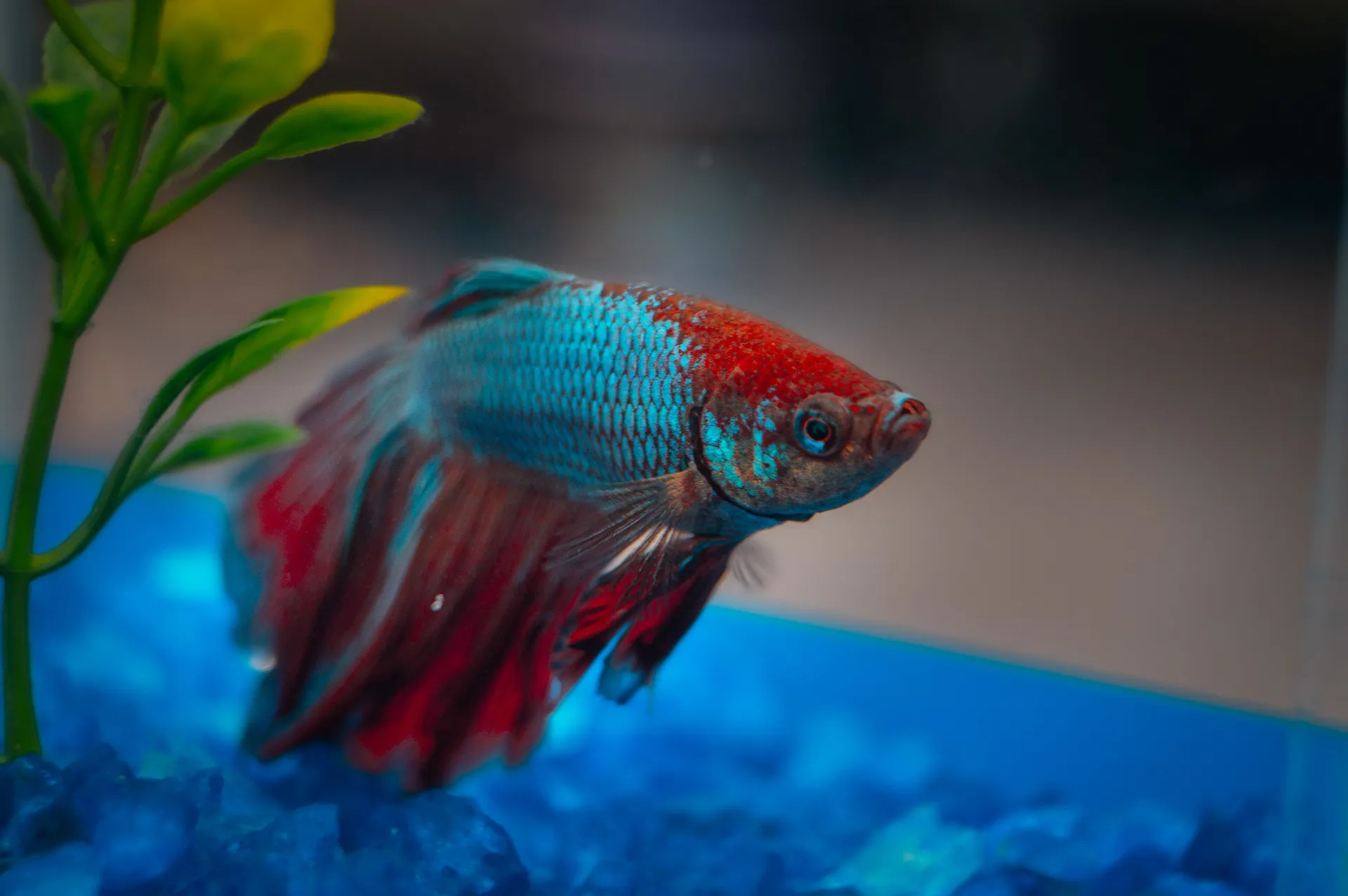
For me, one of those places was a small koi betta fish.
I got him during a season when my body hurt constantly, my energy was unpredictable, and my heart felt fragile. I didn’t know how much a tiny fish could teach me, but God used him in ways I still struggle to put into words. Every morning, I would sit beside his tank and watch him swim slowly, intentionally, unhurried. He wasn’t rushing. He wasn’t striving. He wasn’t performing. He was simply being.
And in those quiet moments, God whispered truths I had forgotten:
Small moments matter.
Rest matters.
Breathe.
Be present.
Keep growing through changing seasons.
Those words became a lifeline for me — not because they were profound, but because they were simple. They were doable. They were gentle enough for a weary heart.
They reminded me that embracing life doesn’t always look like big victories or dramatic breakthroughs. Sometimes embracing life looks like noticing the way sunlight hits the kitchen counter. Sometimes it looks like sitting with your child during a meltdown and remembering that connection matters more than perfection. Sometimes it looks like lying down when your body says “enough,” even when your to‑do list says “more.”
Sometimes embracing life looks like watching a small fish swim slowly and letting God speak through the quiet.
Embracing God in the Unseen Moments
For caregivers, special‑needs parents, chronic illness warriors, and anyone walking through trauma recovery, life is full of unseen moments — the ones no one applauds, no one posts about, no one celebrates. The moments where you’re holding your child through a sensory storm. The moments where you’re pacing your energy because your body can’t do what it used to. The moments where you’re praying in whispers because you don’t have the strength for long prayers.
These moments matter deeply to God.
Scripture shows us again and again that God meets His people in the quiet places — in caves, in deserts, in prisons, in hidden corners of grief and exhaustion. He meets us not because we are strong, but because He is near.
Psalm 34:18 says, “The Lord is close to the brokenhearted and saves those who are crushed in spirit.”
Not “the Lord is close to the victorious.”
Not “the Lord is close to the ones who have it all together.”
He is close to the brokenhearted — the ones who feel like they’re barely holding on.
Embracing life begins with embracing the truth that God is already in the small moments with us.
Embracing Rest When Life Doesn’t Slow Down
Rest is hard when life is unpredictable. Chronic illness doesn’t wait for convenient timing. Autism doesn’t pause for your body to recover. Trauma doesn’t heal on a schedule. Caregiving doesn’t come with built‑in breaks.
But rest isn’t only physical. Rest is permission. Rest is surrender. Rest is remembering that you don’t have to carry everything alone.
Jesus says in Matthew 11:28, “Come to me, all you who are weary and burdened, and I will give you rest.”
He doesn’t say, “Come to me when you’re strong.”
He says, “Come to me when you’re weary.”
Rest is an invitation, not a reward.
For me, rest looked like sitting beside my fish tank for five minutes and letting my nervous system settle. It looked like breathing slowly when my pain flared. It looked like letting myself cry when I felt overwhelmed. It looked like asking God to hold the pieces I couldn’t carry.
Rest is holy because it reminds us that God is God, and we are not.
Embracing Presence in a Distracted World
Caregiving and chronic illness can make you feel disconnected from your own life. You’re always thinking ahead — the next appointment, the next meltdown, the next flare, the next crisis. Presence feels impossible.
But presence isn’t about perfection. Presence is about noticing.
Noticing your child’s smile.
Noticing your body’s signals.
Noticing God’s comfort.
Noticing the small moments that anchor you.
Presence is a spiritual practice. It’s a way of saying, “God, I’m here. I’m listening. I’m open.”
When I watched my fish swim, I wasn’t doing anything productive. I wasn’t solving anything. I wasn’t fixing anything. I was simply present. And in that presence, God reminded me that He is present too.
Embracing Growth Through Changing Seasons
Growth doesn’t always look like progress. Sometimes growth looks like slowing down. Sometimes growth looks like letting go. Sometimes growth looks like accepting help.
Sometimes growth looks like grieving what you lost. Sometimes growth looks like celebrating tiny victories.
Growth is not linear. Growth is seasonal.
Ecclesiastes 3 reminds us that there is a season for everything — a season to plant, a season to uproot, a season to weep, a season to heal. Growth happens in all of them.
My fish taught me that growth is gentle. It’s quiet. It’s slow. It’s faithful. It’s steady. It’s often unseen.
And that’s the kind of growth God honors.
Embracing the Small Moments Today
If you’re reading this and you feel overwhelmed, exhausted, or unsure how to keep going, I want you to know this:
You are not alone.
Your small moments matter.
Your quiet growth matters.
Your rest matters.
Your presence matters.
Your story matters.
And God is with you in every unseen moment.
You don’t have to embrace life perfectly. You don’t have to be strong every day. You don’t have to have all the answers. You don’t have to carry everything by yourself.
You can start small.
Sit for a moment.
Breathe.
Notice something gentle.
Let God meet you there.
Embrace the small moments — because God often speaks the loudest in the quiet places.
Angela Boelzner is the founder of Rooted Change Wellness, a faith‑centered practice supporting caregivers, autism families, chronic illness warriors, and women rebuilding life after trauma. As a single parent to a child with Level 3 autism, a chronic illness warrior living with fibromyalgia, a homeschooling mom, and a survivor of domestic violence, Angela blends lived experience with her ACE Behavior Change Specialist training to offer gentle, realistic guidance. She helps families build sustainable habits, regulate emotions, and rediscover hope through trauma‑informed, faith‑anchored support. Learn more at rootedchangewellness.com.